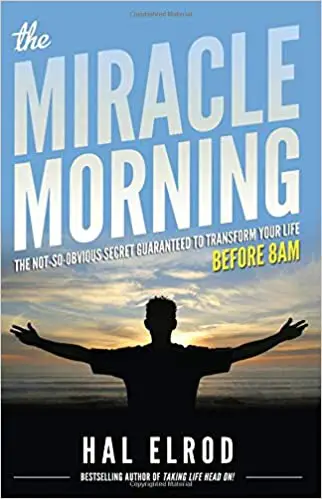
“Hal Elrod is a genius and his book The Miracle Morning has been magical in my life. What Hal has done is taken the best practices, developed over centuries of human consciousness development, and condensed the 'best of the best' into a daily morning ritual. A ritual that is now part of my day.” —Robert Kiyosaki, bestselling author of Rich Dad Poor Dad What's being widely regarded as "one of the most life changing books ever written" may be the simplest approach to achieving everything you've ever wanted, and faster than you ever thought possible. What if you could wake up tomorrow and...
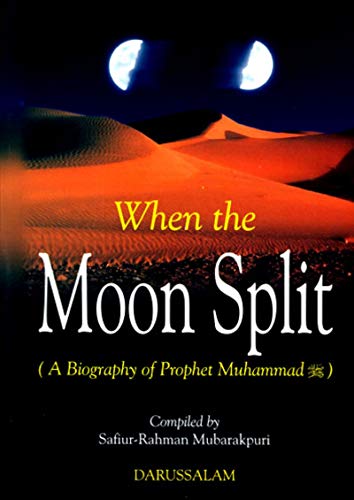
A Biography of Prophet Muhammad (pbuh) - The biography of the Prophet is a very noble and exalted subject by which Muslims learn about the rise of Islam, and how Prophet Muhammad (PBUH) was chosen by Allah to receive the divine revelation. You also learn about the hardships the Prophet (pbuh) and his companions faced, and how they eventually succeeded with Allah's help. This book adds to where Ar-Raheeq Al-Makhtum left off. Its clear, yet precise narration of the life of the Prophet makes it a great compliment to Ar-Raheeq Al-Makhtum. Over 6 months of editing, a master piece on the life of...
The perfect prayer book - that is what the Book of Psalms has been called. Written over a period of about eight hundred years, these one hundred fifty poems and hymns are the most important existing collection of Hebrew national and religious poetry....
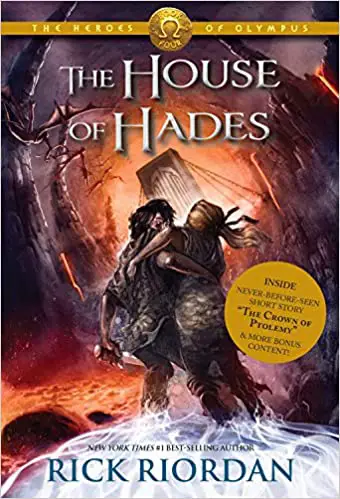
Though the Greek and Roman crewmembers of the Argo II have made progress in their many quests, they still seem no closer to defeating the earth mother, Gaea. Her giants have risen-all of them-and they're stronger than ever. They must be stopped before the Feast of Spes, when Gaea plans to have two demigods sacrificed in Athens. She needs their blood-the blood of Olympus-in order to wake. The demigods are having more frequent visions of a terrible battle at Camp Half-Blood. The Roman legion from Camp Jupiter, led by Octavian, is almost within striking distance. Though it is tempting to take...
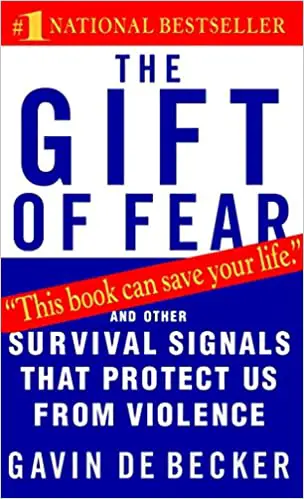
True fear is a gift. Unwarranted fear is a curse. Learn how to tell the difference. A date won't take "no" for an answer. The new nanny gives a mother an uneasy feeling. A stranger in a deserted parking lot offers unsolicited help. The threat of violence surrounds us every day. But we can protect ourselves, by learning to trust—and act on—our gut instincts. In this empowering book, Gavin de Becker, the man Oprah Winfrey calls the nation's leading expert on violent behavior, shows you how to spot even subtle signs of danger—before it's too late. Shattering the myth that most violent acts are...
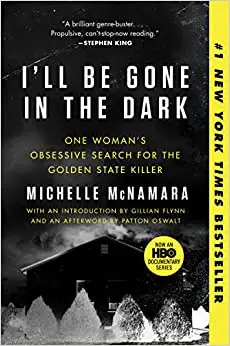
THE BASIS FOR THE MAJOR 6-PART HBO® DOCUMENTARY SERIES #1 NEW YORK TIMES BESTSELLER A BEST BOOK OF THE YEAR: Washington Post | Maureen Corrigan, NPR | Paste | Seattle Times | Entertainment Weekly | Esquire | Slate | Buzzfeed | Jezebel | Philadelphia Inquirer | Publishers Weekly | Kirkus Reviews | Library Journal | Bustle Winner of the Goodreads Choice Awards for Nonfiction | Anthony Award Winner | SCIBA Book Award Winner | Finalist for the Edgar Award for Best Fact Crime | Longlisted for the Carnegie Medal for Excellence The haunting true story of the elusive serial rapist turned...
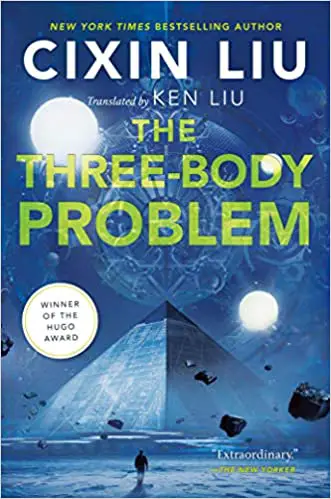
The Three-Body Problem is the first chance for English-speaking readers to experience this multiple award winning phenomenon from China's most beloved science fiction author, Liu Cixin. Set against the backdrop of China's Cultural Revolution, a secret military project sends signals into space to establish contact with aliens. An alien civilization on the brink of destruction captures the signal and plans to invade Earth. Meanwhile, on Earth, different camps start forming, planning to either welcome the superior beings and help them take over a world seen as corrupt, or to fight against the...
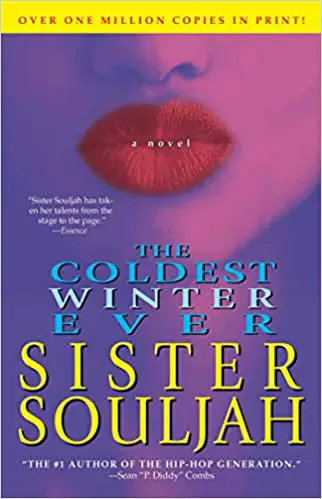
Nominated as one of America’s best-loved novels by PBS’s The Great American Read. Renowned hip-hop artist, political activist, and bestselling author Sister Souljah brings the streets of New York to life in a powerful and utterly unforgettable first novel. I came busting into the world during one of New York's worst snowstorms, so my mother named me Winter. Ghetto-born, Winter is the young, wealthy daughter of a prominent Brooklyn drug-dealing family. Quick-witted, sexy, and business-minded, she knows and loves the streets like the curves of her own body. But when a cold Winter wind blows...
At the conclusion of The Mark of Athena, Annabeth and Percy tumble into a pit leading straight to the Underworld. The other five demigods have to put aside their grief and follow Percy's instructions to find the mortal side of the Doors of Death. If they can fight their way through Gaea's forces, and Percy and Annabeth can survive the House of Hades, then the Seven will be able to seal the Doors from both sides and prevent the giants from raising Gaea. But, Leo wonders, if the Doors are sealed, how will Percy and Annabeth be able to escape? They have no choice. If the demigods don't succeed,...
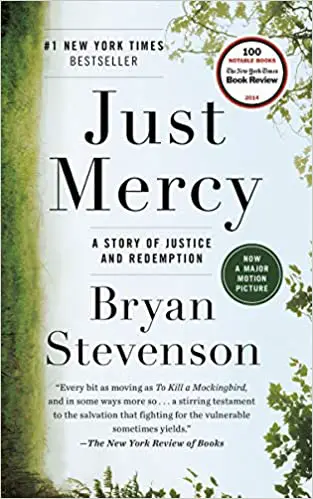
#1 NEW YORK TIMES BESTSELLER • NOW A MAJOR MOTION PICTURE STARRING MICHAEL B. JORDAN AND JAMIE FOXX • A powerful true story about the potential for mercy to redeem us, and a clarion call to fix our broken system of justice—from one of the most brilliant and influential lawyers of our time. “[Bryan Stevenson’s] dedication to fighting for justice and equality has inspired me and many others and made a lasting impact on our country.”—John Legend NAMED ONE OF THE MOST INFLUENTIAL BOOKS OF THE DECADE BY CNN • Named One of the Best Books of the Year by The New York Times • The Washington Post •...